Valencia Food Guide: 7 Things to Try Beyond Paella
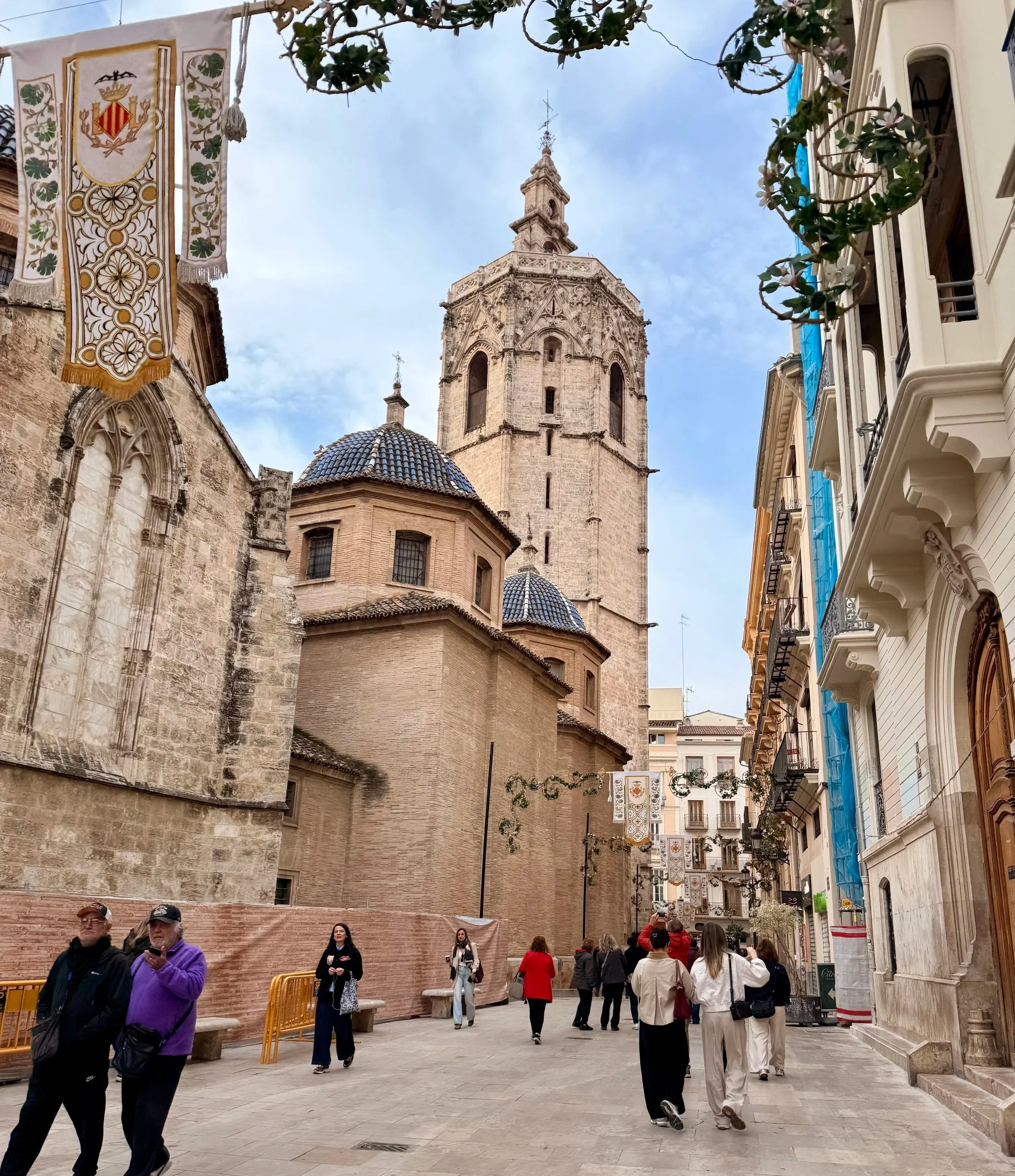
El Micalet bell tower, El Carmen
Valencia has it all—history, art, culture, Mediterranean vibes, and, importantly, an unbeatable food scene. This sunny Spanish city is the birthplace of one of the world’s most famous culinary creations: paella. With a mix of tender rice, fragrant saffron, fresh vegetables, and savory proteins, what’s not to like about paella? You’d be remiss not to try this stellar dish during your time in Valencia, but the city’s gastronomy has so much more to offer.
On a recent trip to Valencia, I endeavored to dive deeper into the food culture to discover local dishes less famous than paella but equally delicious. So, if you would like a more authentic taste of this incredible city, read on to discover 7 things to eat (and drink) in Valencia beyond paella.
Calle de la Barchilla archway, Ciutat Vella
La Seu, Valencia
Horchata and Fartons
First up on our list of Valencian classics is horchata. Despite the creamy texture, horchata is actually dairy-free, making it a tasty treat regardless of your dietary needs. In Valencia, it consists of three simple ingredients: tigernuts (which are actually tubers, not nuts), water, and sugar. The origins of horchata date to at least the 11th century, if not earlier, when it was brought to Spain by the Moors.
Horchata and a farton, Orxateria Santabárbara
Today, horchata is the city’s most beloved drink. Since tigernuts can only be grown in specific Mediterranean soils and conditions, this version is exclusive to the province of Valencia and even has a Denomination of Origin designation.
At a horchatería—spelled orxateria in Valencian—you’ll have the most authentic experience by pairing horchata with a plate of fartons. These long, airy pastries originated in Alboraya, Valencia, and are perfect for dipping into horchata and absorbing its goodness without falling apart.
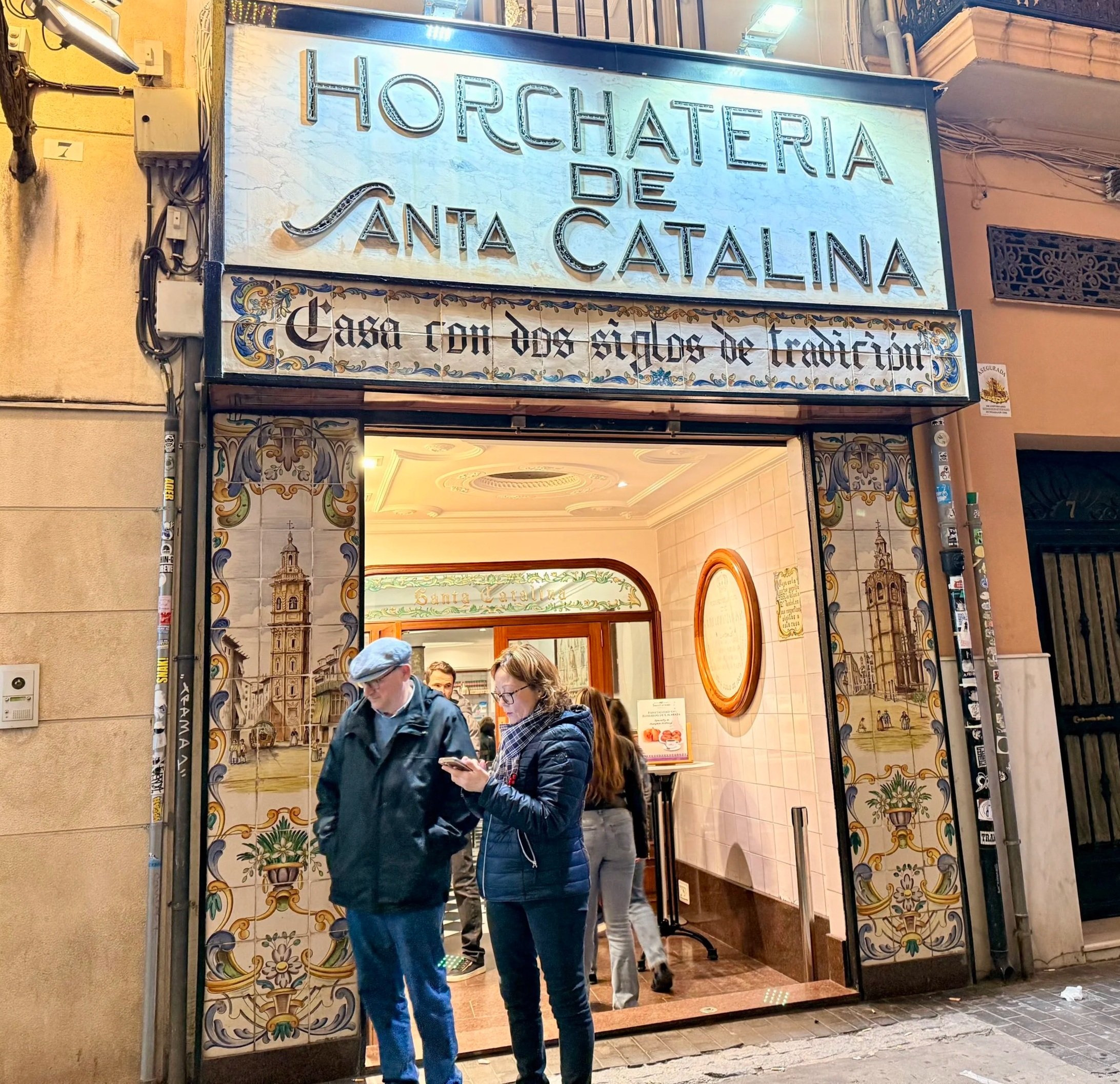
Horchatería de Santa Catalina, Cuitat Vella
Orxateria Santabárbara is one of the most authentic horchaterías in Valencia, serving delicious horchata, fartons, churros, and ice cream. You’ll find it between the Gran Vía and Mont-Olivet neighborhoods on a quiet street, away from the crowds. Horchatería de Santa Catalina is another classic shop in the heart of the city in Ciutat Vella.
Titaina
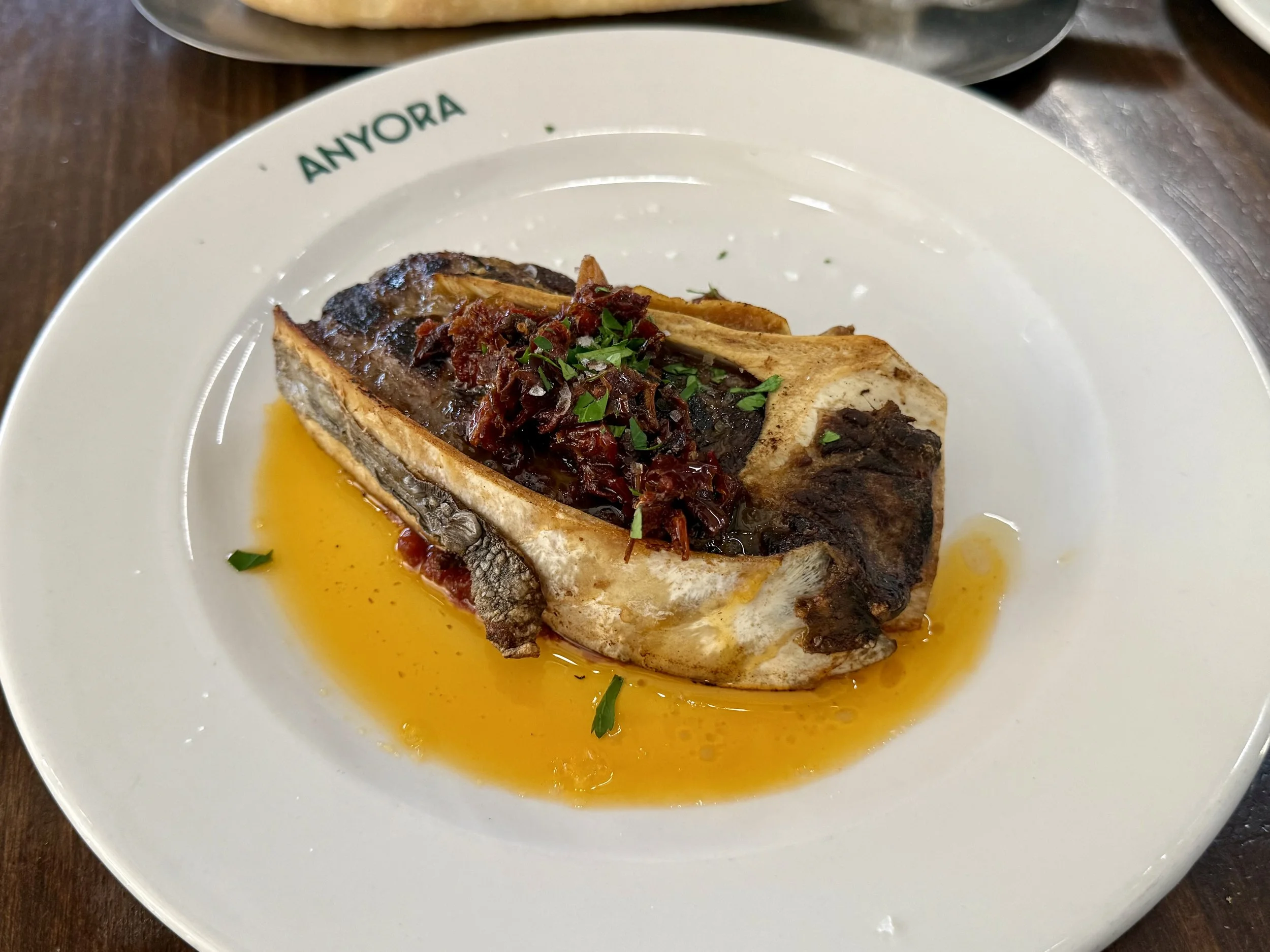
Parpatana de atún Balfegó, Anyora
Given that Valencia lies on the Mediterranean Sea, you’ll find an abundance of seafood here. The best seafood is found in the El Cabanyal neighborhood on the city’s east side. One of the most beloved local dishes in this district is titaina, also known as titaina valeciana. It’s a ratatouille of sorts, made with slow-cooked tomato, pepper, garlic, salted tuna belly, and pine nuts.
This is comfort food at its finest, often paired with bread for dipping, in sandwiches, or over flatbread. Anyora in El Cabanyal serves titaina over a seared cut of Mediterranean bluefin tuna, and it blew my mind. I highly recommend venturing to El Cabanyal and Anyora for delicious Valencian cuisine.
Anyora, El Cabanyal
Cremaet
To finish my meal at Anyora, I was introduced to another local favorite, the cremaet—a spiked coffee made with flaming rum or brandy, cinnamon, lemon peel, and roasted coffee beans. A strong espresso is poured over the top to create a distinct three-layered look. Anyora serves a delicious twist on the traditional drink: cremaet coffee ice cream with rum and cinnamon foam.
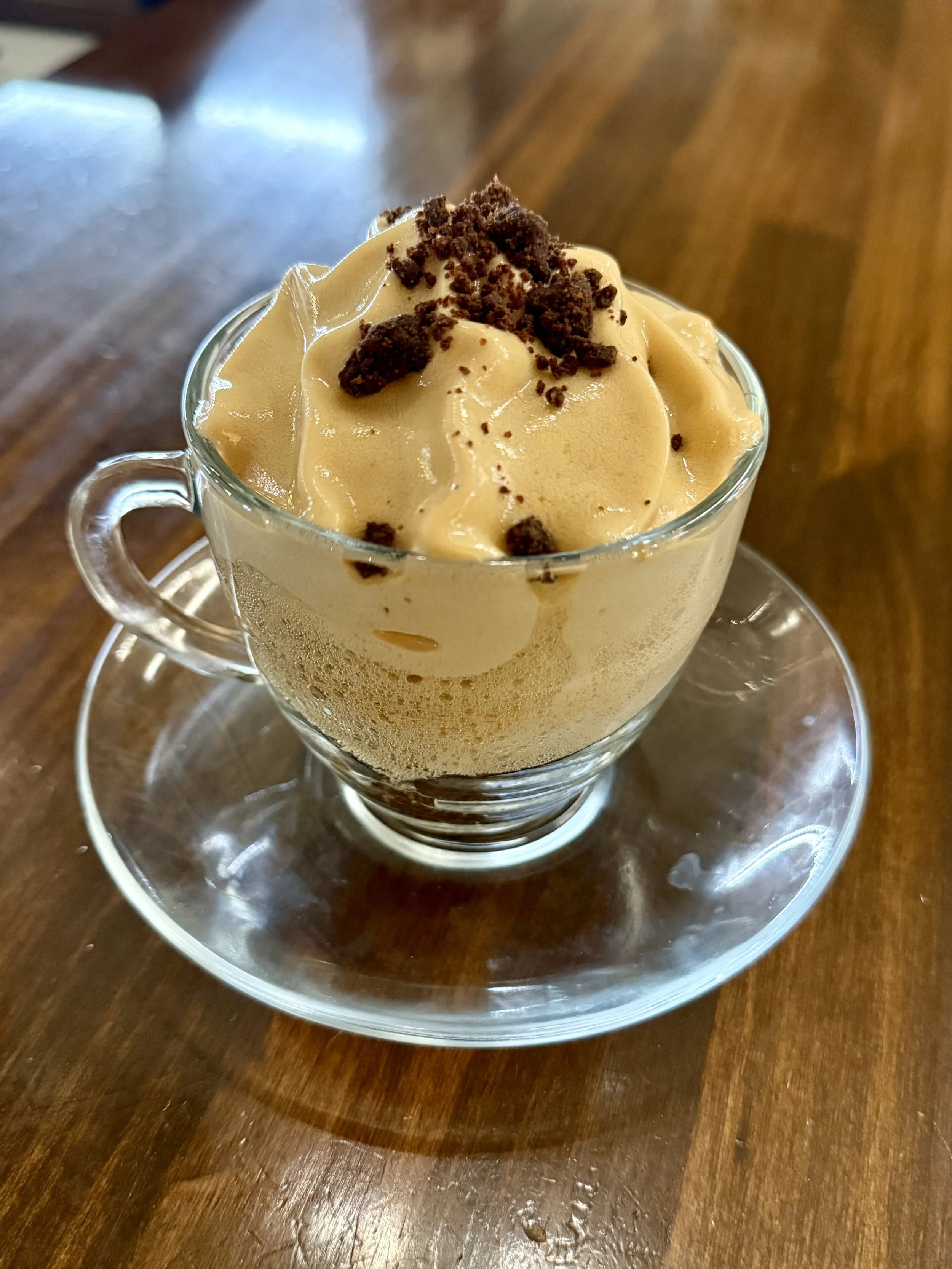
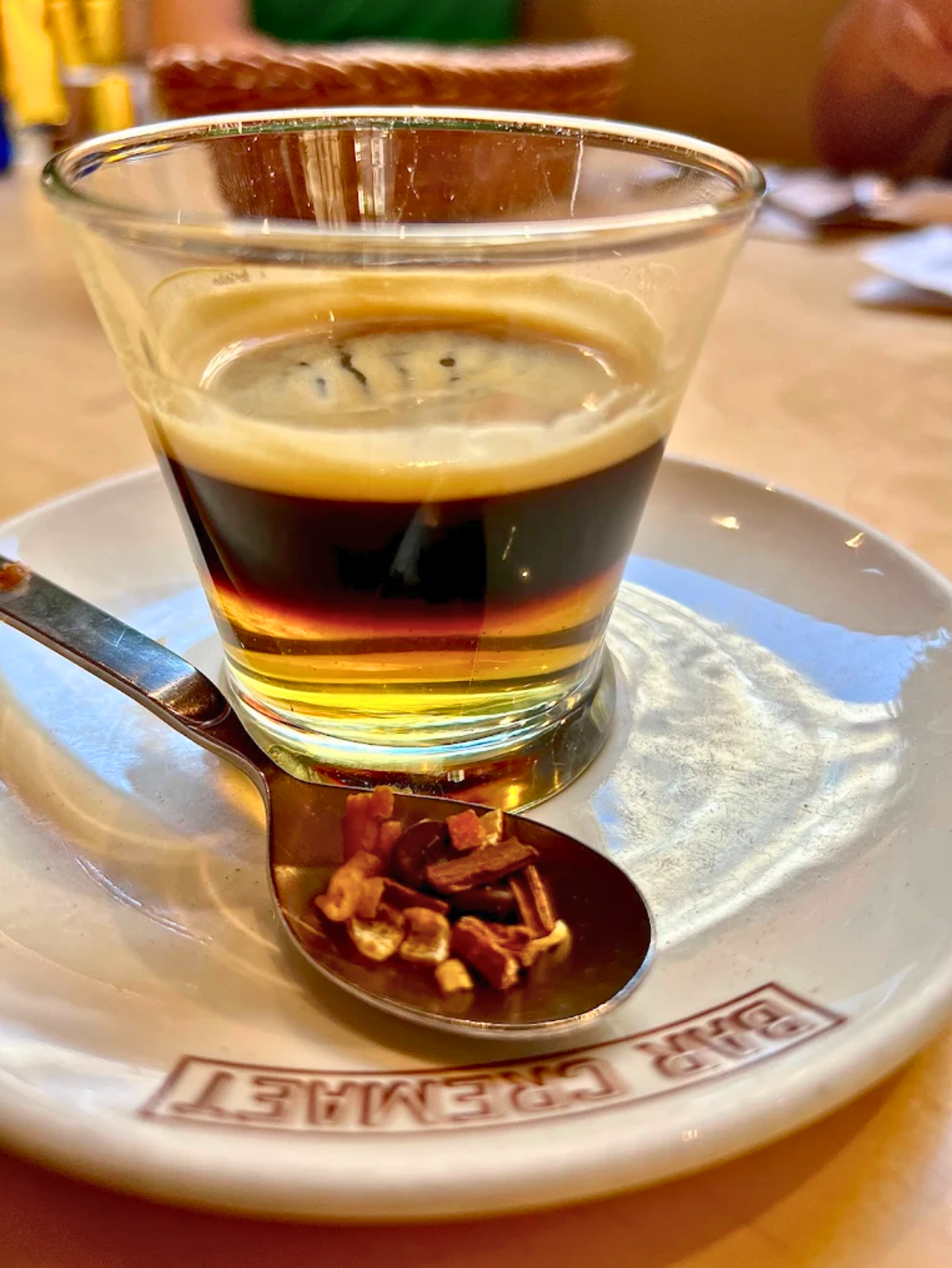
For a more classic take, wander over to Bar Cremaet near the Palau de la Música de València. This venue is dedicated to serving this strong drink in the most traditional way.
Canned Seafood
Mercat Central de Valencia - photo credit: Alvaro German Vilela, Dreamstime
A unique and unconventional food in Valencia worth a try is canned seafood. While this seems less-than-glamourous to most Americans, this method of preserving seafood is actually the ideal way to retain its flavor and peak freshness. You’ll find numerous canned seafood products in Spanish supermarkets and artisan markets, such as the beautiful Mercat Central de Valencia.
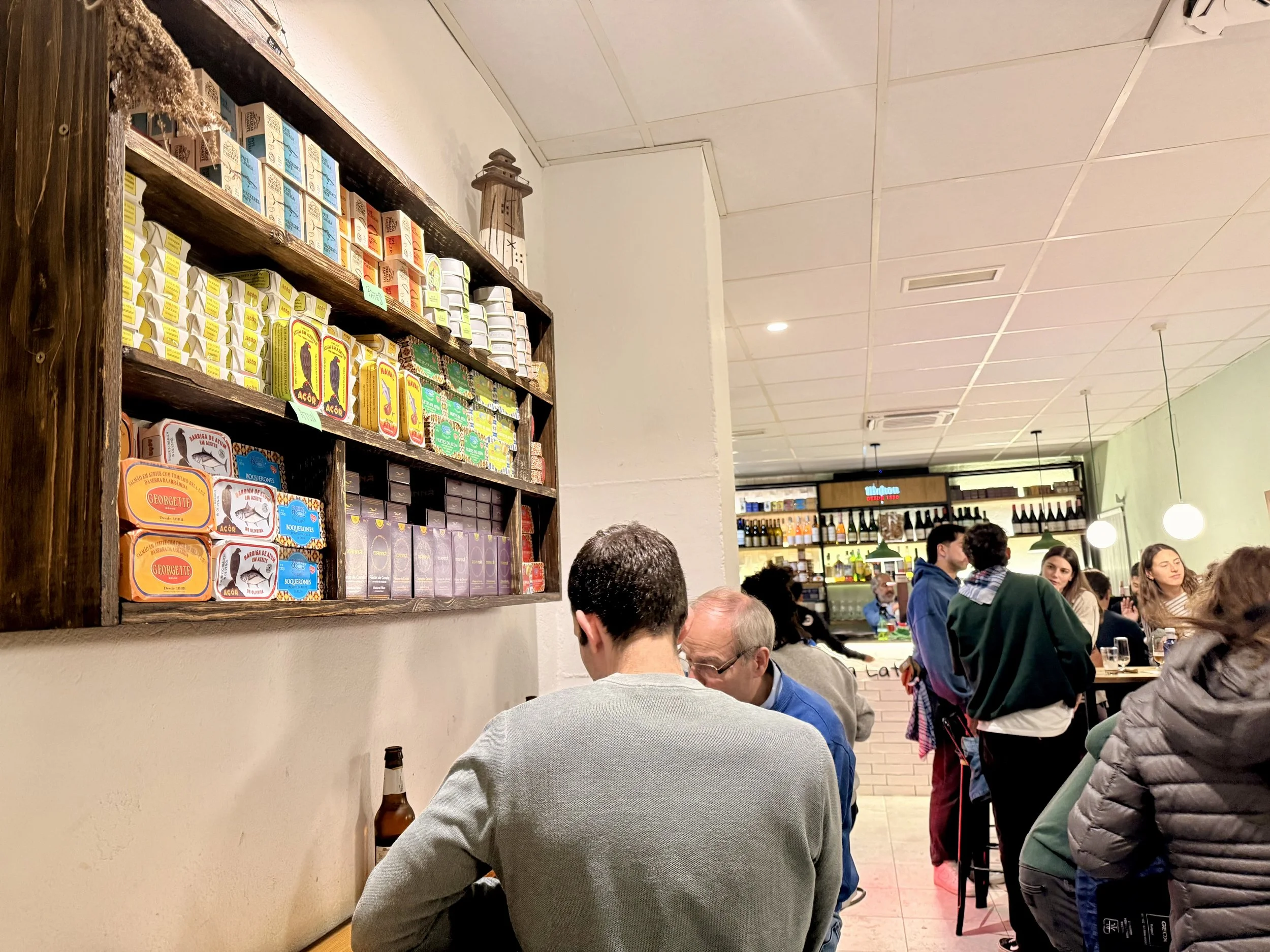
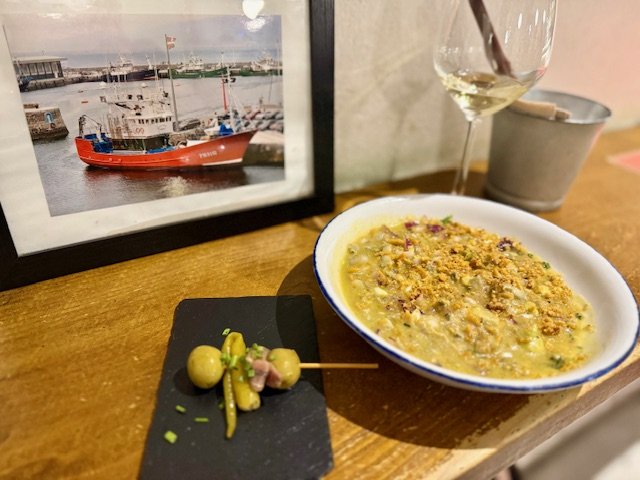
For an elevated way to taste canned seafood, visit one of Valencia’s specialty restaurants. These cozy venues craft creative dishes that showcase the freshest canned seafood.
I visited La Lateria in El Carmen and really enjoyed looking at the colorful cans on display. They are truly little works of art, sourced mainly from the northern Atlantic Coast of Spain and Portugal. The food was also incredible, fresh, and really healthy. La Cooperativa del Mar in the Russafa neighborhood is another beloved canned seafood restaurant in Valencia.
Buñuelos
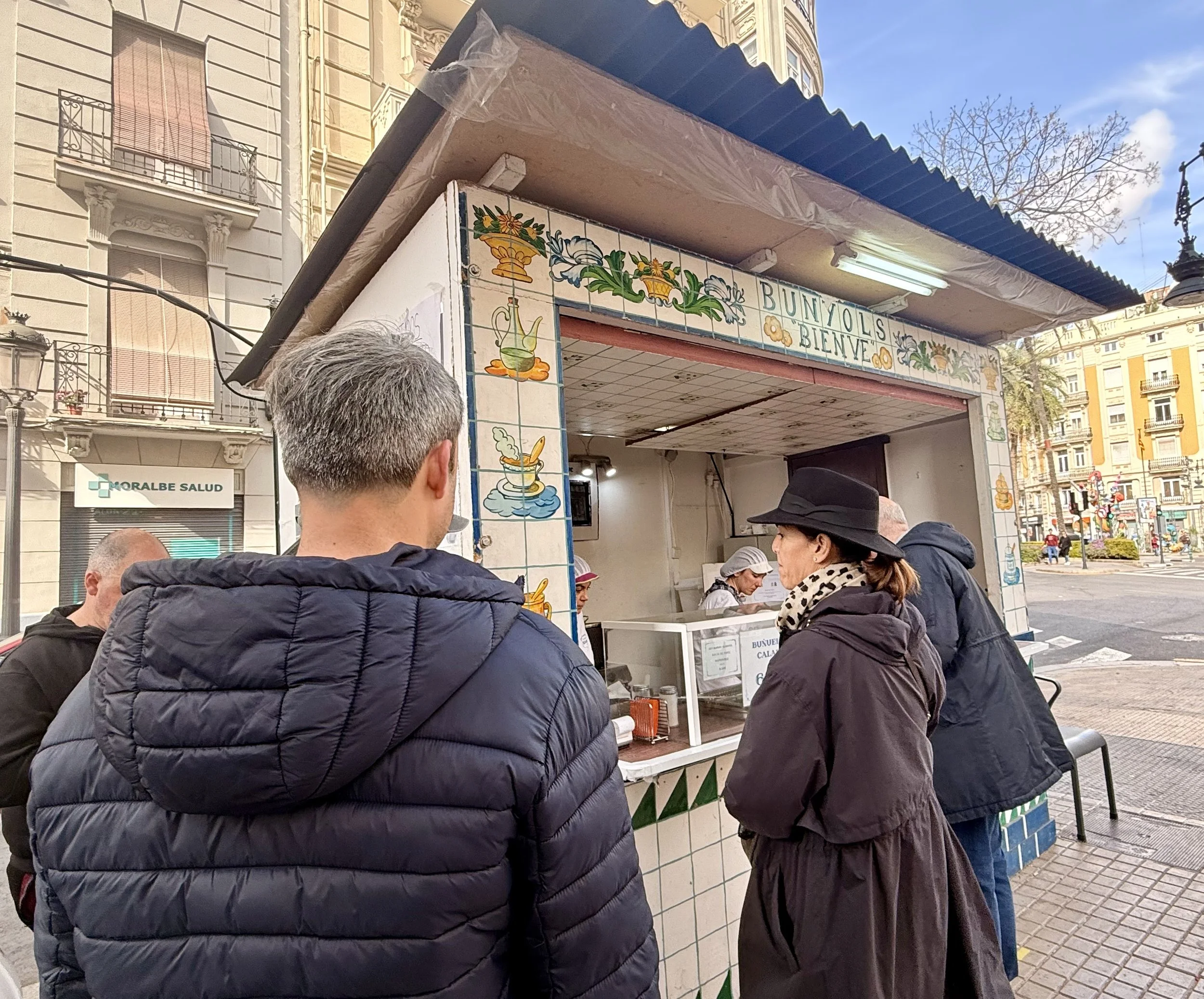
Bunyols Bienve, Russafa
Another adored Spanish pastry is the buñuelo. These sweet treats are dough fritters rolled in sugar, and you’ll find them at pastry shops (pastellerías) across the country. In Valencia, buñuelos get a delicious upgrade with the addition of roasted pumpkin puree to the dough, making them lighter and fluffier than other renditions.
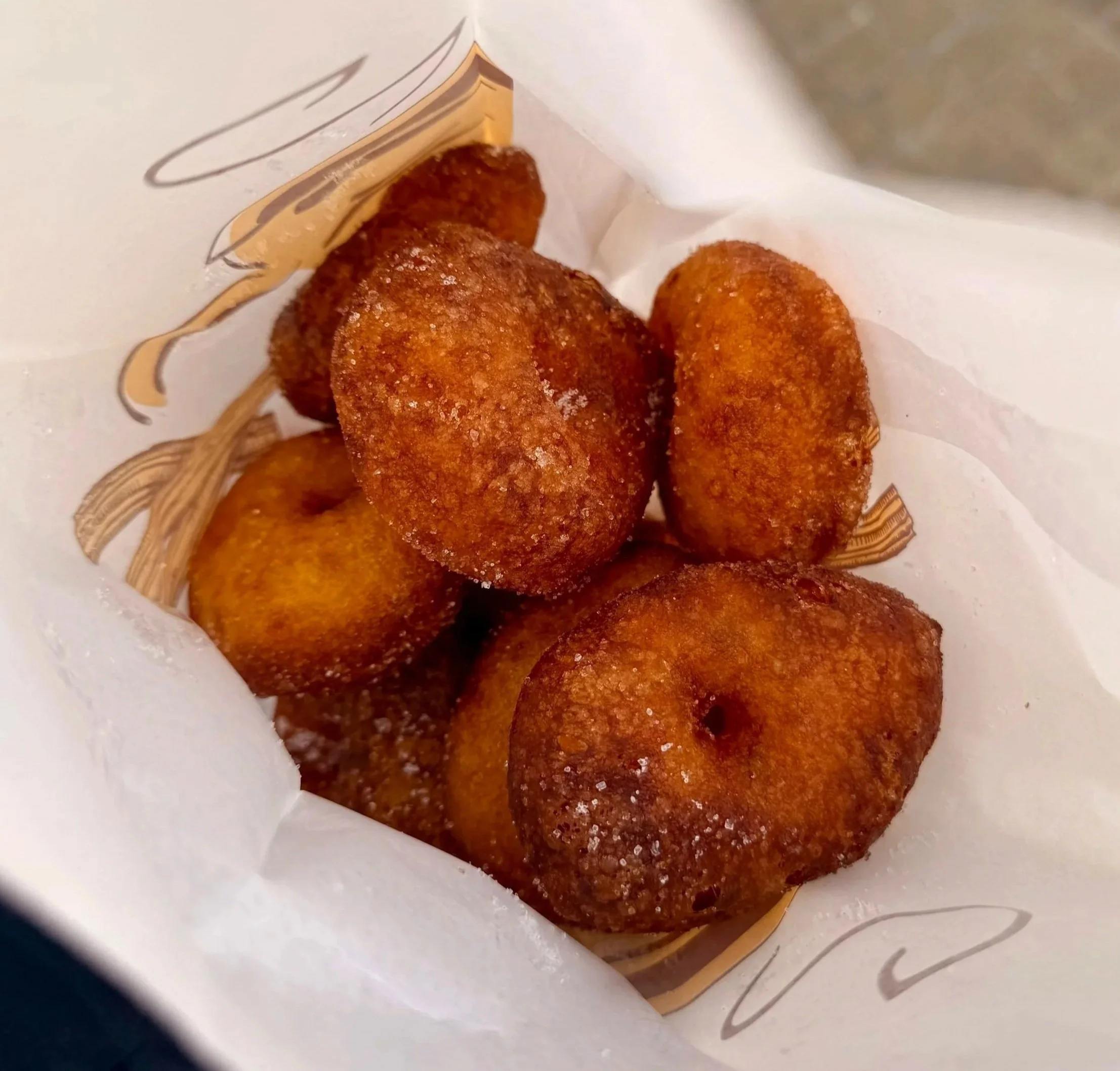
Buñeulos, Bunyols Bienve
Visit Bunyols Bienve in Russafa for some of the city’s most delicious and traditional buñuelos, but be prepared to wait in line. Pair your fritters with a decadent hot chocolate from the next-door Glasol ice cream shop, and you’ll see why they are worth the wait!
All-i-pebre
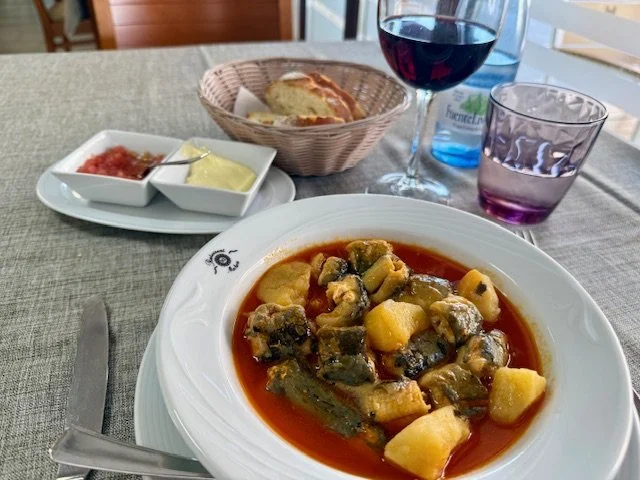
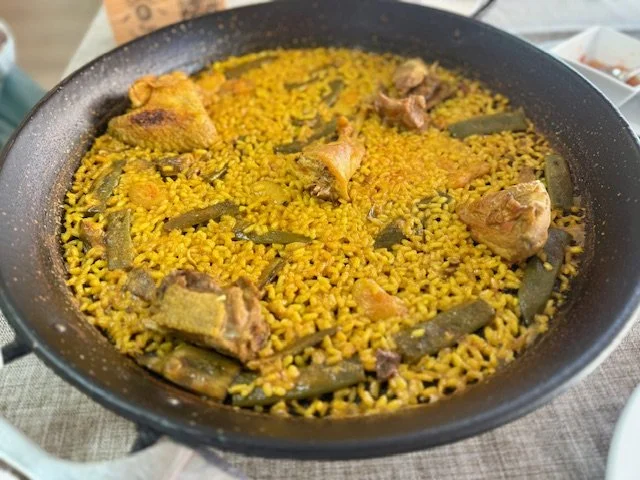
If you are feeling adventurous, literally and gastronomically, consider an afternoon trip outside the city to visit Albufera Natural Park. The park’s lake, known as L’Albufera, is the birthplace of paella.
This lake is also home to a unique species of eel—the prized ingredient in a regional stew called all-i-pebre. Along with the eel, it has potatoes, pepper, and garlic, creating a very flavorful dish.
Near L’Albufera, book a table at Restaurant Mateu in El Palmar to try traditional all-i-pebre, the restaurant’s specialty. It will be unlike anything you’ve ever tasted! And yes, Restaurant Mateu also serves truly fabulous paella—it’s the best I’ve had in Spain.
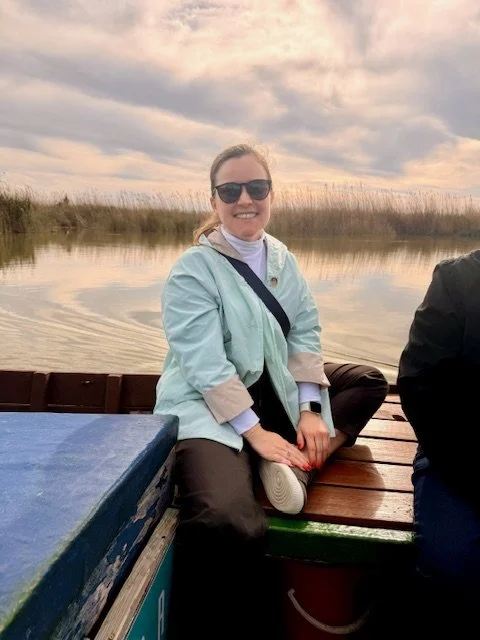
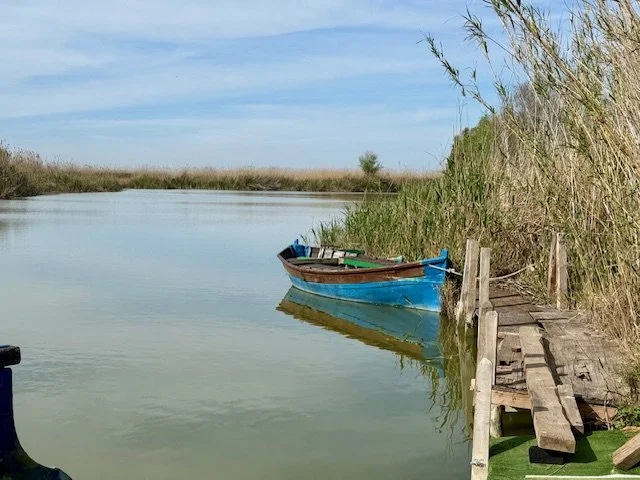
After your meal, take a relaxing ride on the lake to appreciate this ecosystem up close. You’ll climb aboard a wooden boat, known as an albuferenc, then cruise around the lagoon to see wild birds and traditional fishermen’s houses. This was such a nice way to escape the city's bustle and enjoy a peaceful moment in nature.
Agua de Valencia
Agua de Valencia
Before departing this sunny Mediterranean city, be sure to indulge in an Agua de Valencia. This killer cocktail was created in the 1950s and is made with freshly squeezed Valencian orange juice, cava, gin, and vodka. It packs a punch but goes down as smooth as water, so drink responsibly!
Atenea Sky in Ciutat Vella is a fun place to sip a cocktail while enjoying a beautiful rooftop view of Valencia’s skyline. While you’re here, order an Agua de Valencia, then toast to this fun adventure.
Salud!
Iglesia de San Esteban, Ciutat Vella