Off the Beaten Path: Less Touristy Things to Do in Barcelona
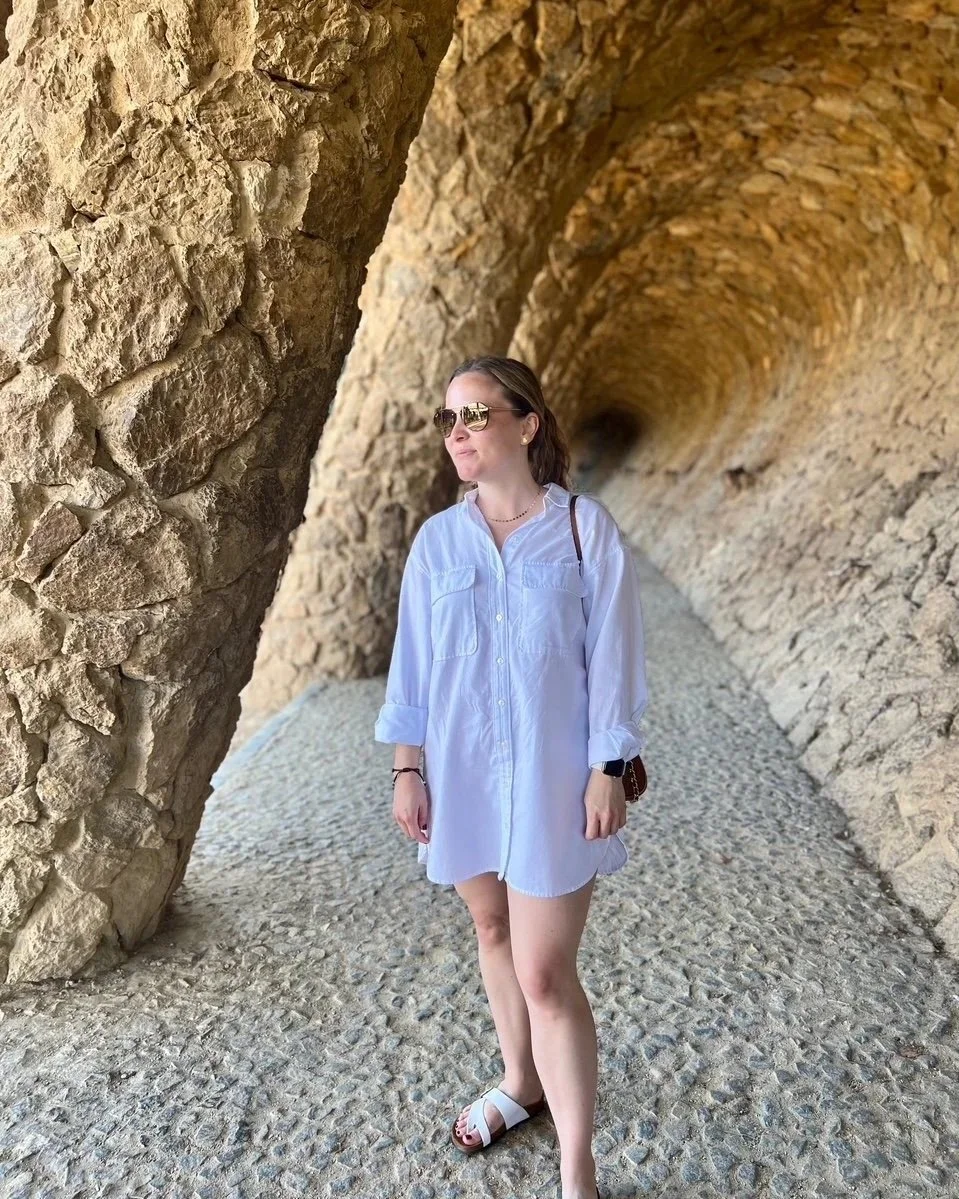
Park Güell, Barcelona
Barcelona is the capital of Catalonia, Spain, and is a destination unlike any other. It was founded over 2,000 years ago by the Romans (then called Barcino), and the earliest evidence of human activity dates to the Neolithic Age. Despite its ancient history, Barcelona did not become a major tourist destination until hosting the 1992 Olympics.
With Antoni Gaudí’s architectural wonders, an intriguing atmosphere of Spanish gastronomy, and the azure waters of the Mediterranean Sea, it is easy to see why this city is a coveted destination for many.
In fact, 15 million people visited Barcelona in 2024. Like many of the world’s most famous cities, it is challenging, though, to feel the magic when “must-see” sites are overcrowded with tourists. This sobering fact deters some travelers from even visiting these places. However, it’s important to remember that even in popular destinations, authentic experiences can be discovered. You just have to know where to look.
If you’d like to visit Spain and experience this city on a deeper level, read on for my recommendations on less touristy ways to explore Barcelona.
View of La Sagrada Familia from Sercotel Hotel Terrace
As of 2025, La Sagrada Familia is the world’s tallest cathedral. Construction began in 1882, and over 140 years later, it is finally nearing completion. La Sagrada Familia is Barcelona’s most famous landmark, designed by architect Antoni Gaudí.
It’s an incredible structure with an intricate Gothic façade, breathtaking stained-glass windows, and nature-inspired design throughout. Still, as one of the most amazing cathedrals in the world, it remains one of the busiest sites in the city and requires tickets purchased well in advance.
To experience two incredible cathedrals in Barcelona with a fraction of the visitors, tour the Catedral Basílica Metropolitana de Barcelona (aka the Cathedral of Barcelona) and Santa Maria Del Mar Basilica.
The Cathedral of Barcelona
The Cathedral of Barcelona at Christmas
The Cathedral of Barcelona was built between the 13th and 15th centuries and is in the Gothic Quarter. While this neighborhood is a popular tourist spot, the cathedral itself is a tranquil place.
The façade is ornately carved with statues of saints, religious figures, and biblical scenes. After entering, you are greeted by the striking nave, imposing columns, vaulted ceilings, and delicate stained-glass windows.
Santa Maria Del Mar Basilica
Santa Maria Del Mar Basilica
Next to the Gothic Quarter is a vibrant neighborhood called El Born. As you wander among El Born’s romantic streets, you’ll come upon Santa Maria Del Mar Basilica.
This 14th-century cathedral is considered a work of “Gothic excellence” and is said to have inspired Antoni Gaudí to design La Sagrada Familia. Admire the austere interior as the sun peeks in through the windows. For an additional fee, you can access the basilica towers and rooftop terrace for beautiful views of the cityscape.
Santa Maria Del Mar Basilica nave
La Rambla is one of the most famous streets in Barcelona, running between the Gothic Quarter and El Raval. This tree-lined, pedestrian-only street is a central hub for tourists, featuring street performers, souvenir shops, and restaurants.
It is also where you’ll find Mercat de la Boqueria, a public food market. People flock to La Rambla to shop, to dine, and to feel the city’s energy. It’s lively but very touristy.
Passeig de Gràcia
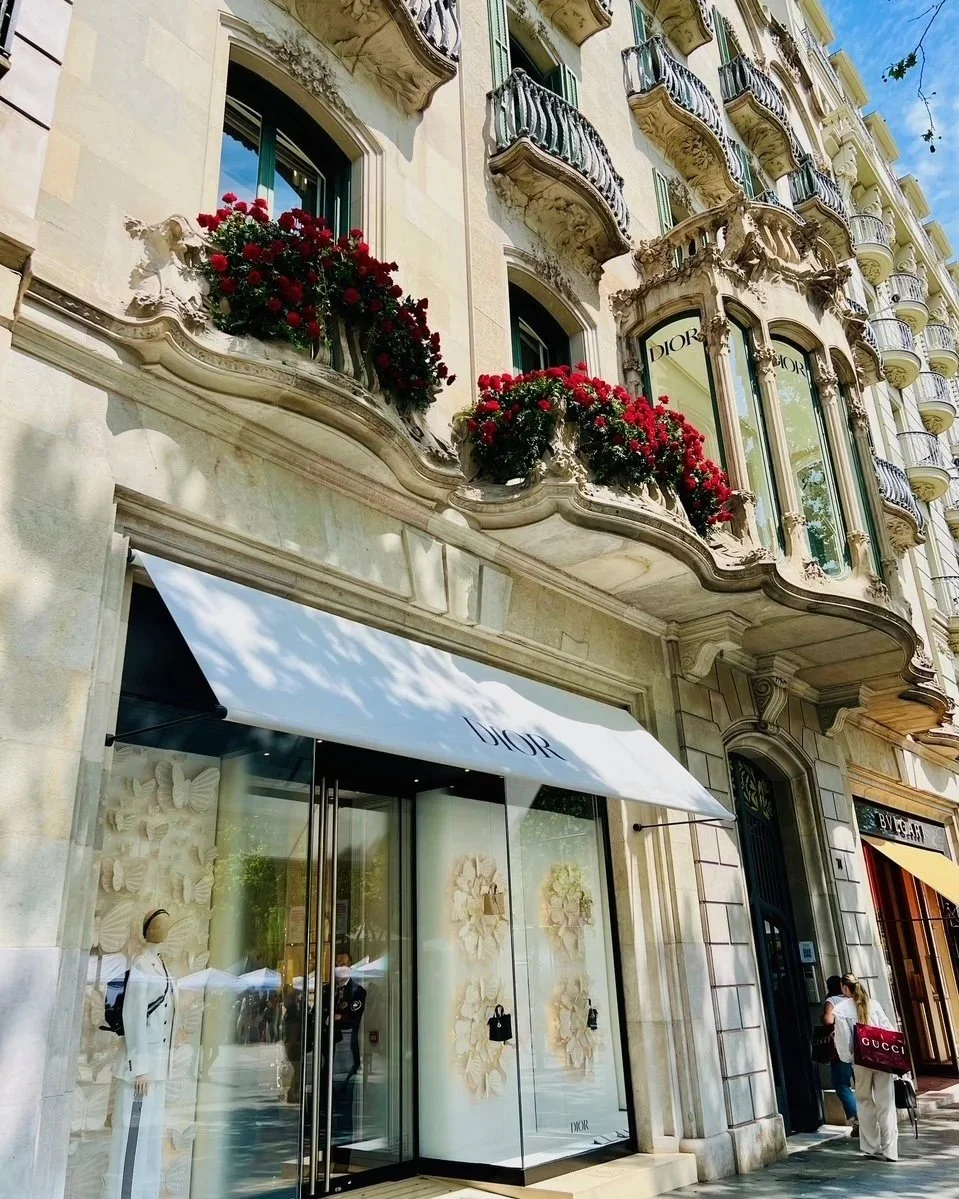
Passeig de Gràcia
For luxury goods and a more elegant vibe, go north of La Rambla to Passeig de Gràcia. While still popular with tourists, this area is less crowded than La Rambla and has a more polished feel. In addition to high-end stores, this street features beautiful modernist architecture.
Passeig de Gràcia
One of the best ways to try regional food items is to visit a local market. In these dense halls, you’ll discover endless options from locally sourced meats and freshly caught seafood to exotic fruits and aromatic spices.
Mercat de Sant Antoni
Mercat de la Boqueriais Barcelona's most famous market with numerous vendors selling food and tapas. Unfortunately, the crowds can be immense and often detract from the experience.
Mercat de Sant Antoni
Mercat de Sant Antoni
For an authentic market experience, visitMercat de Sant Antoni. You can find it in the pretty Sant Antoni neighborhood, housed in a 19th-century steel-frame building. Here, you’ll find just as many culinary delights and far fewer tourists.
Artesans del Pi
For a selection of artisanal products in Barcelona, visit Plaça del Pi in the Gothic Quarter on the first or third weekend of the month. From Friday through Sunday on these dates, the Artesans del Pi market is open in front of the picturesque Basílica de Santa Maria del Pi.
This charming square fills with booths as regional Catalan products are displayed for purchase, from wine and sausage to honey and cheese. It’s a very pleasant space to wander and support local businesses.
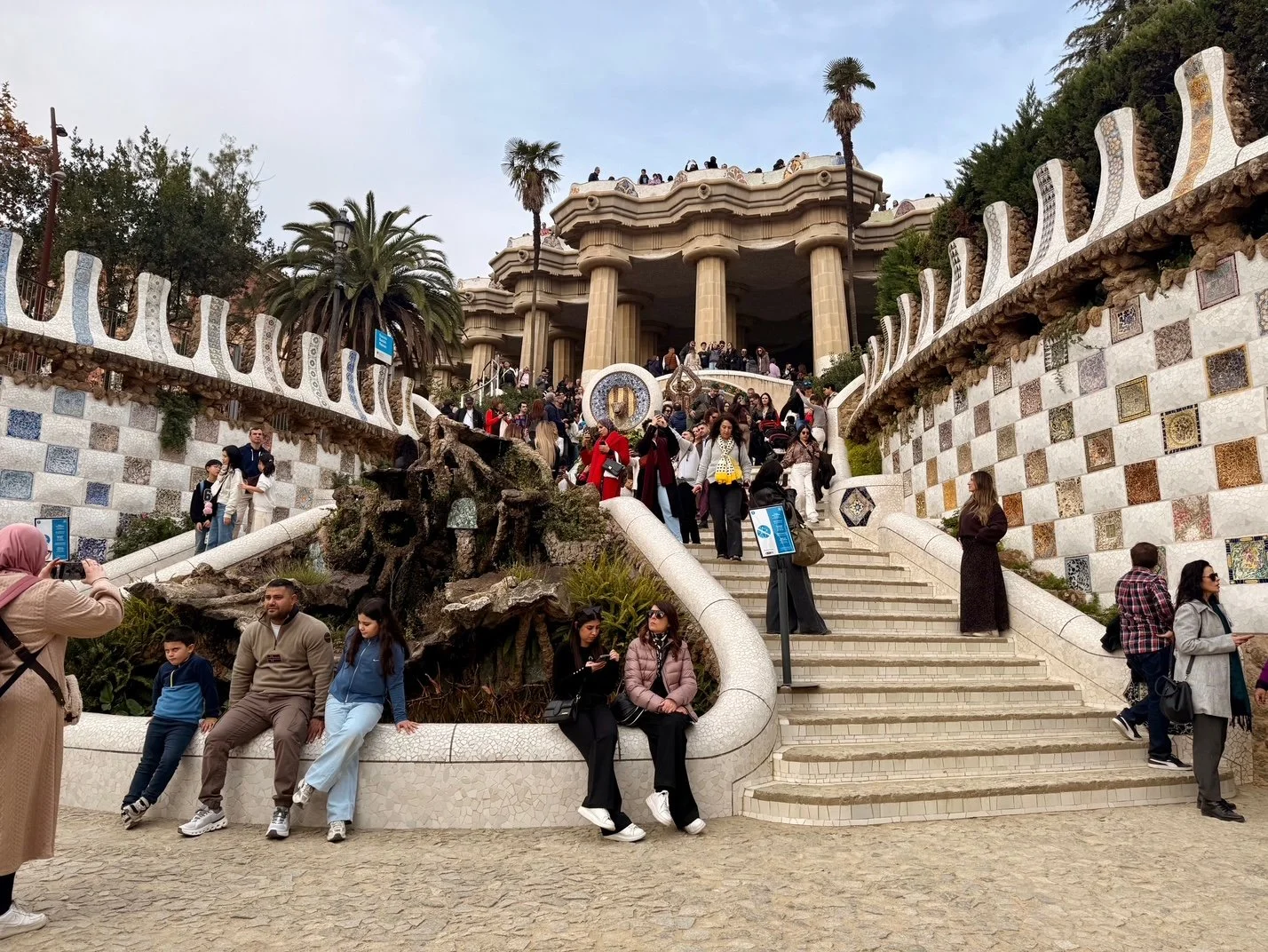
El Drac, Park Güell
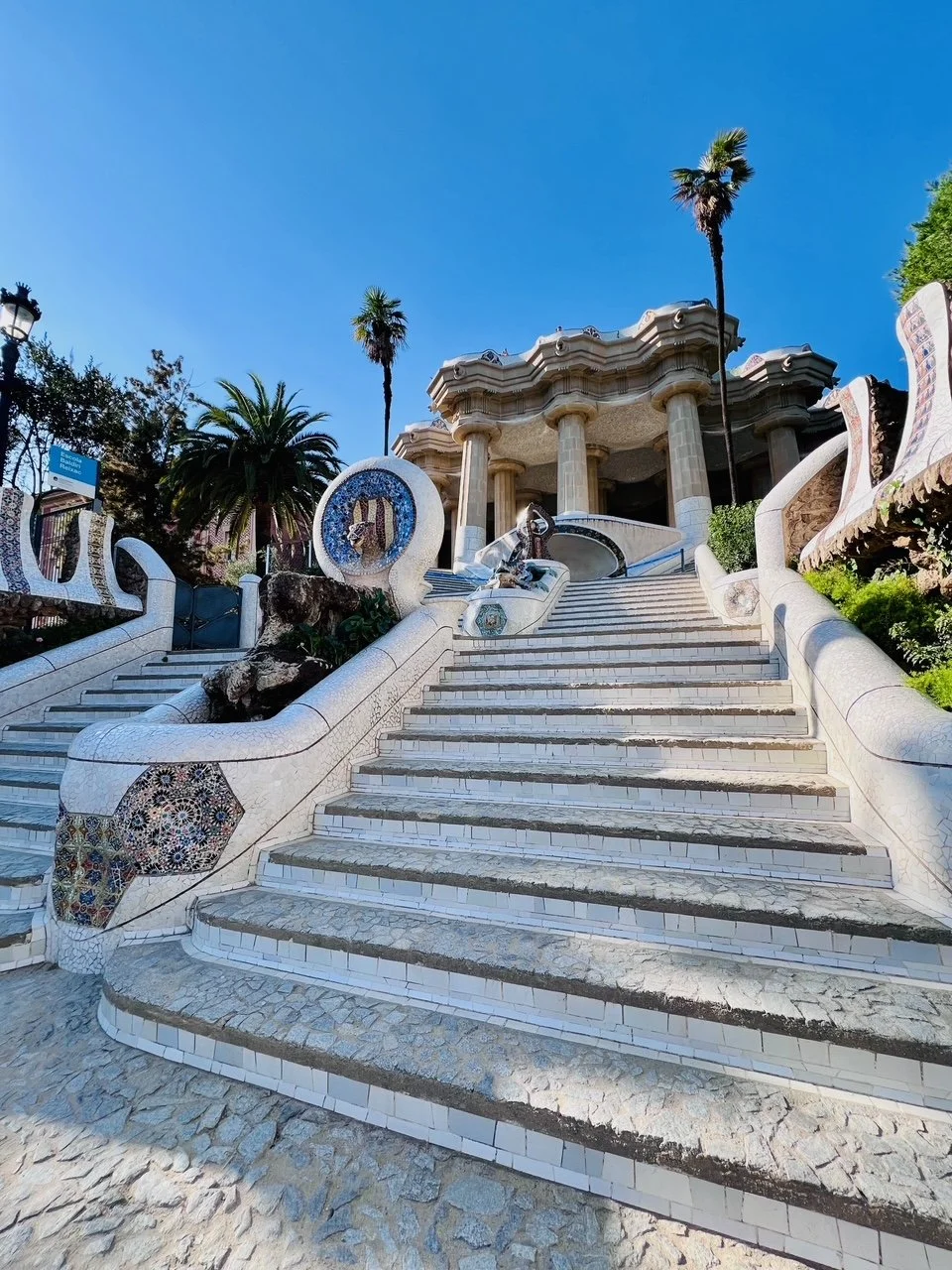
Park Güell, the second most famous Gaudí work in Barcelona, was initially commissioned to be a high-rent development in 1900. After limited public interest and several setbacks, the space was converted into a municipal park. Today, it displays the beauty of nature alongside Gaudí’s eccentric architectural style.
The mosaic-tiled terrace of Park Güell, known as the Greek Theater, provides one of the best views of Barcelona. The design of the park is incredible, but the most famous spaces are often overrun by tourists. Getting a photo without others in the frame is challenging and diminishes the sense of wonder the park is meant to evoke.
Casa Batlló, on Passeig de Gràcia, is a former residence remodeled by Gaudí in the early 20th century. The building’s façade features a wavy tiled roof set above a kaleidoscope of colors and undulating window frames.
It is a gorgeous structure, but very touristy. You can tour the interior to see the art continue on a grand scale, but you need to reserve tickets in advance and can expect a wait of up to 30 minutes before entering.
Casa Batlló on Sant Jordi’s Day
Colonia Güell
To see a lesser-known display of Gaudí design, visit Colonia Güell. This colony, just outside Barcelona, was built in the late 19th century to house textile workers. Wander the quiet streets with an audio guide to learn of the town’s history while admiring the unique architecture.
The Crypt at Colonia Güell
The Gaudí Crypt at Colonia Güell is undoubtedly the highlight, featuring stacked-stone columns extending outward, leaning arches, a rolling ceiling, and stained-glass windows. The dimly lit interior was designed with earthy colors to integrate Gaudí’s love of nature, and makes it feel more like a grotto than a church.
The Gaudí Crypt at Colonia Güell
Torre Bellesguard
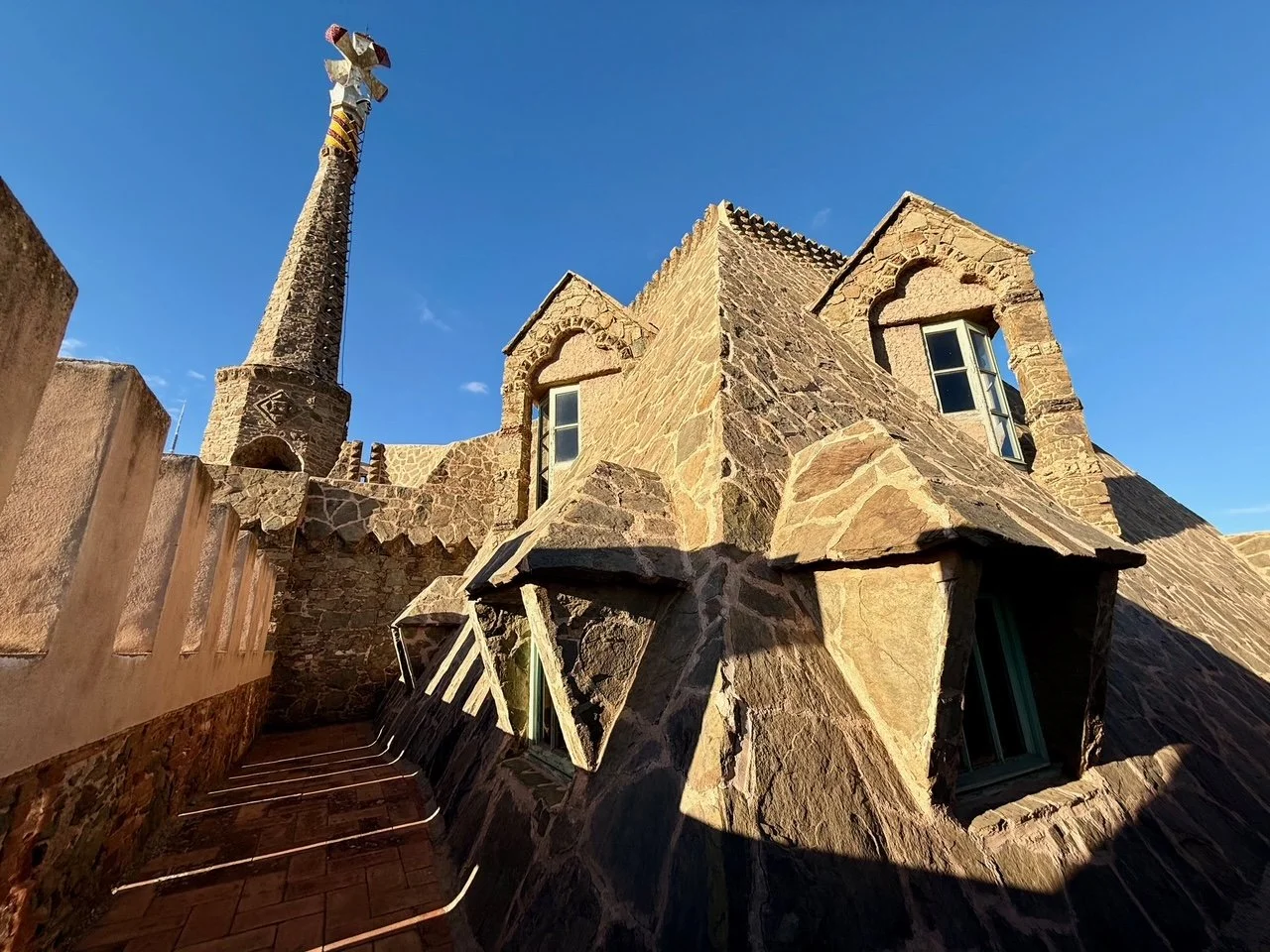
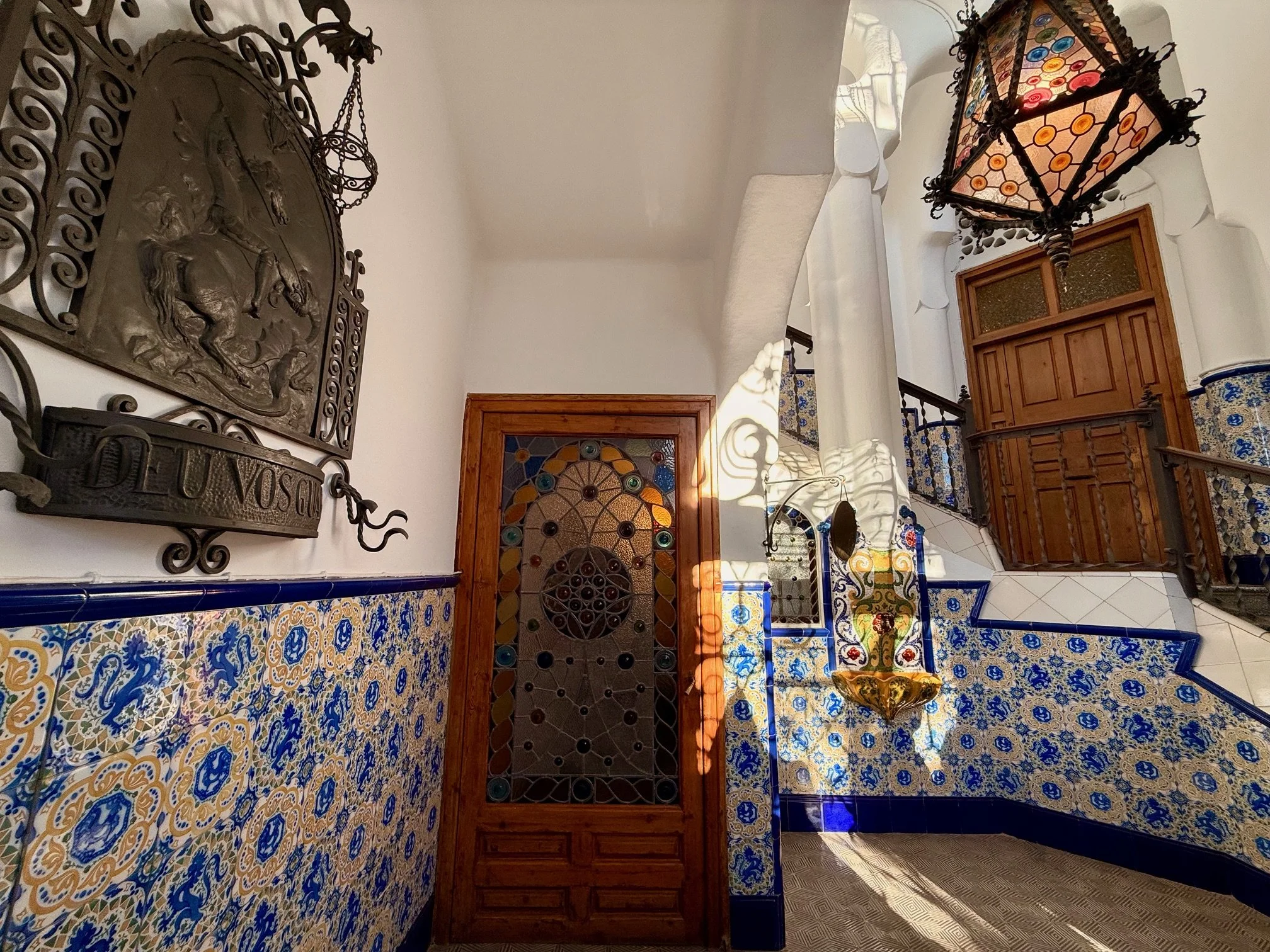
Another quiet Gaudí spot is Torre Bellesguard, a 20th-century modernist manor house built on the site of 15th-century castle ruins.
Torre Bellesguard
The word bellesguard means “beautiful view” in Catalan, which is a fitting name for this enchanting place. As you tour the grounds, you are greeted by beautiful views of the building’s exterior, the light-filled interior, and the city and sea from the rooftop.
For entertainment, many tourists in Barcelona book a Flamenco show. Flamenco is one of Spain's greatest art forms and is gorgeous to experience, but it is not true to Catalonia. The origins of Flamenco lie in the southern province of Andalucia. To dive deeply into Flamenco’s history and culture in Andalucia, read my piece for One Planet Journey magazine.
Still, given its popularity among tourists and its association with Spain, Flamenco performances are abundant in Barcelona if Andalucia is not in your plans.
Palau de la Música Catalana
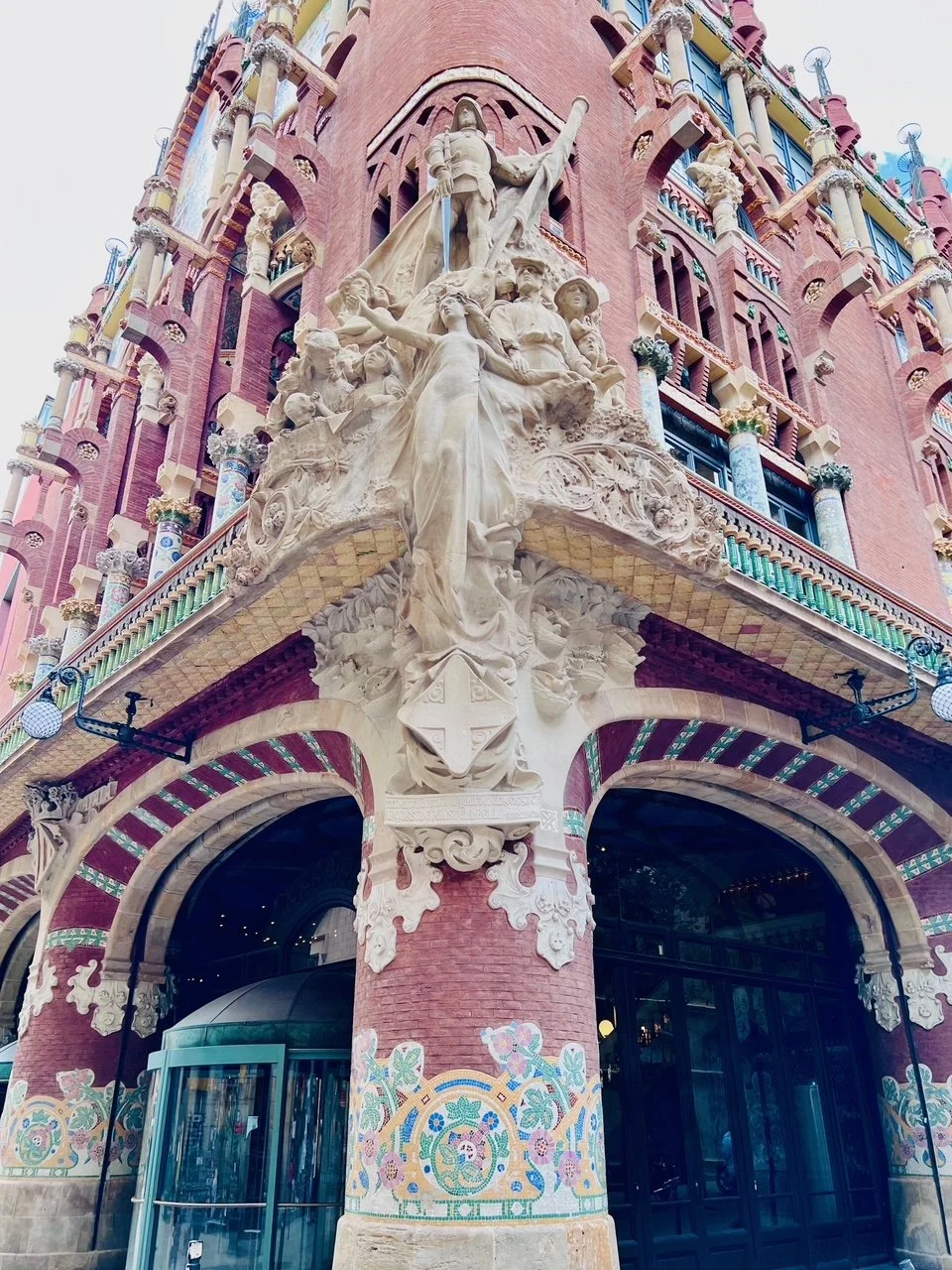
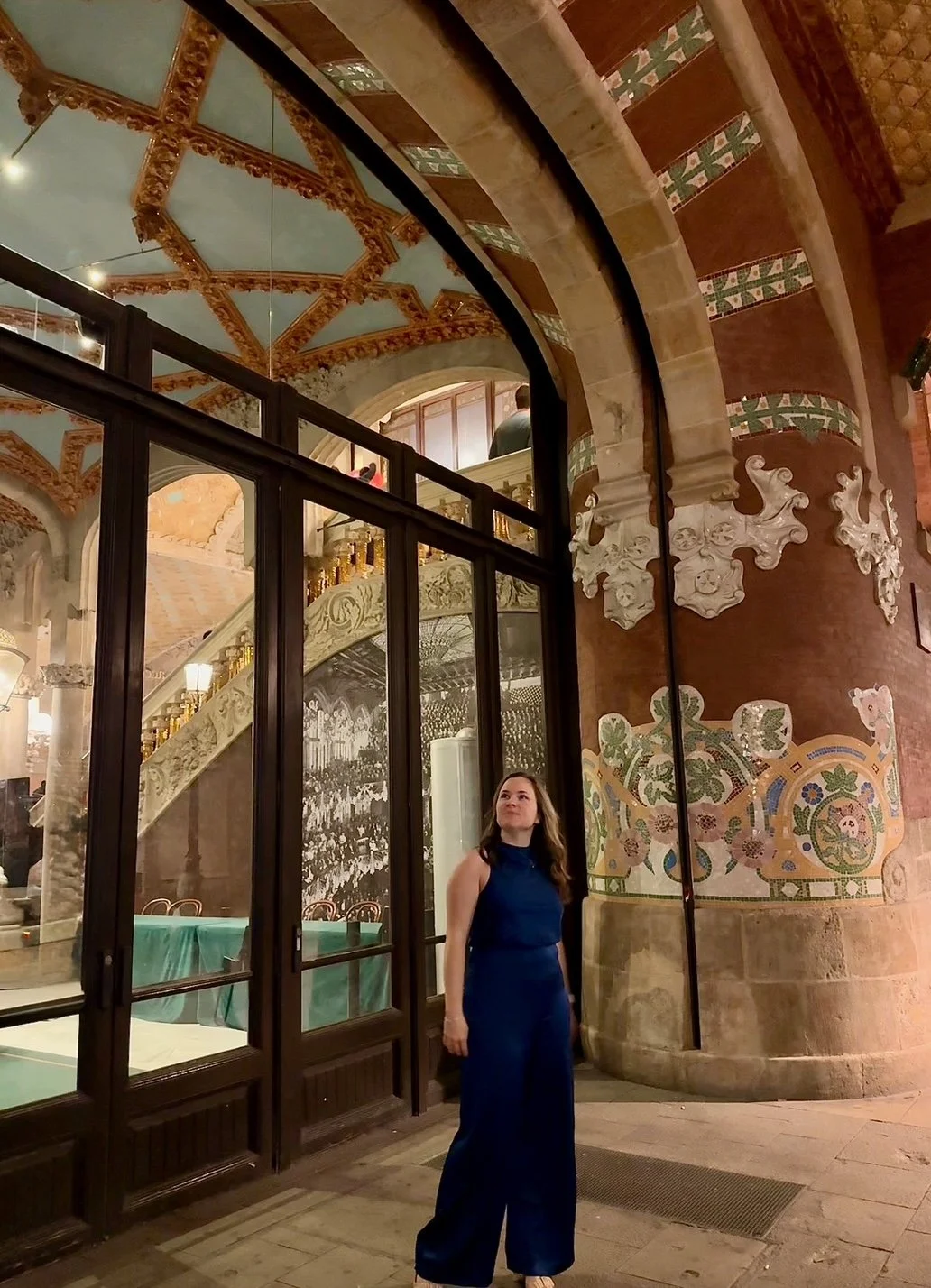
For a performance that is authentic to Barcelona, visit the stunning Palau de la Música Catalana in the Sant Pere neighborhood. This ornate concert hall, built in the early 19th century, features Art Nouveau design with floral motifs, intricate sculptures, and a spectacular stained-glass dome.
This historic and revered venue hosts numerous concerts by Catalan artists as well as international performers.
Palau de la Música Catalana
Castellers
Castellers in Girona, Spain
Another impressive performance from Catalonia are Castellers, or human towers. These displays are an honored tradition and involve large groups of individuals who climb atop one another to form towers.
Casteller performances take place year-round in public squares across Catalonia and are a spectacle to witness in person. The human towers can reach up to 10 people high. Watch in anticipation to see whether the smallest climbers make it to the very top.
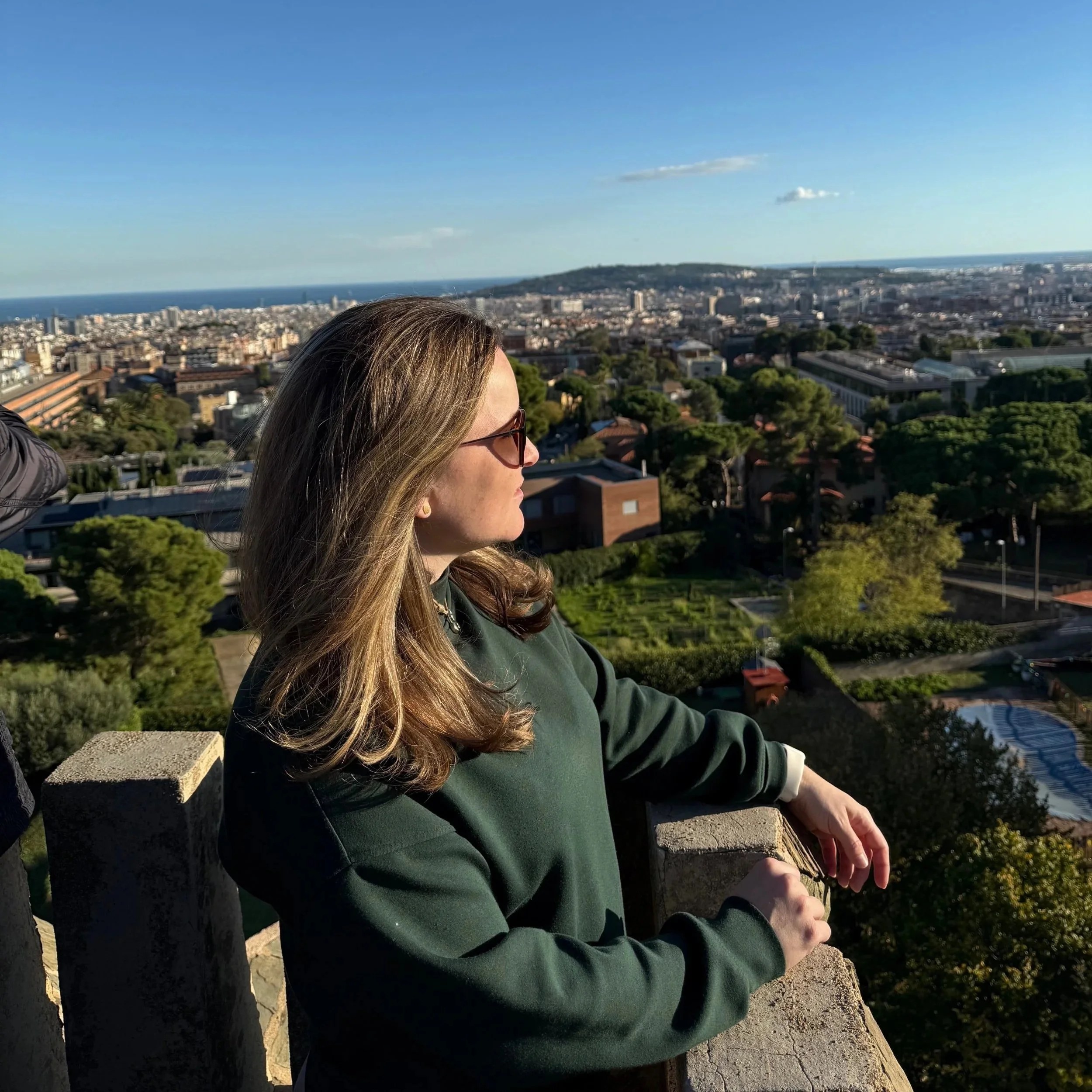
View from Torre Bellesguard
However you choose to explore Barcelona, do so slowly to immerse yourself in its magic. I’m certain you will fall in love with this incredible city, just as I have.
Looking for recommendations on must-try foods in Barcelona? Look no further! Read here.
Published: January 4, 2026