7 Things to Do in Pisa Other Than the Leaning Tower
Piazza dei Miracoli, Pisa
The Leaning Tower of Pisa, known as the Torre di Pisa in Italian, is one of the most famous landmarks in the world. As such, approximately 5 million tourists visit each year. Construction of the tower began in the 12th century and was originally intended as a bell tower.
After standing upright for 5 years, the white marble structure began to lean after the third story was completed. The lean was inevitable due to a foundation only 3 meters deep on clay, sand, and shell. Simply, the ground was not strong enough to support it. The tower was completed in the 14th century, and there have been extensive attempts to fight the lean, well into the 20th century. The final was completed in 2001, and since then, the Leaning Tower of Pisa has remained stable.
While most visitors to Pisa come solely for the Tower, this city has so much more to offer.
Whether you are visiting for a day or a weekend, read below to discover what to see in Pisa beyond the Leaning Tower.
Battistero di San Giovanni

Battistero di San Giovanni
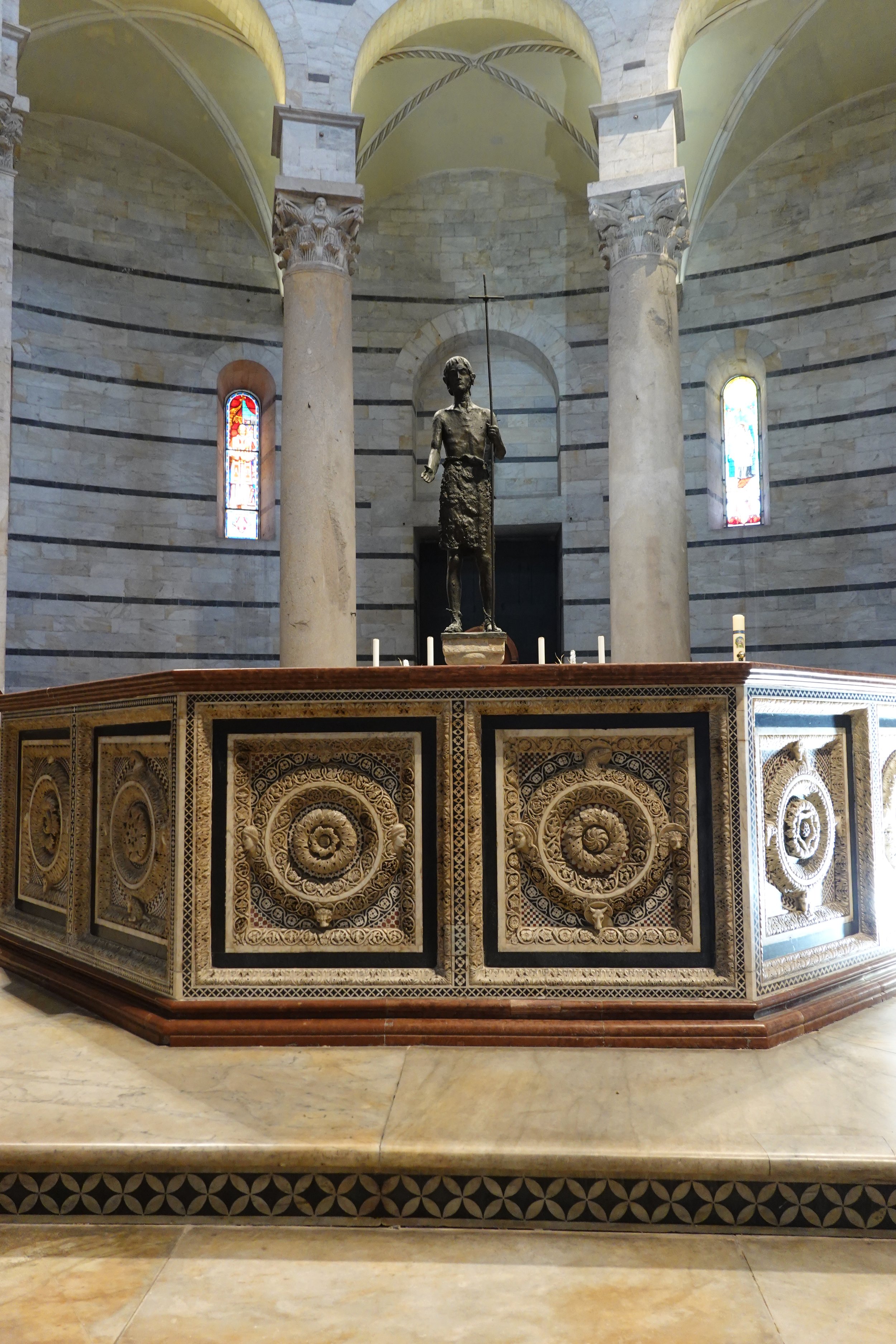
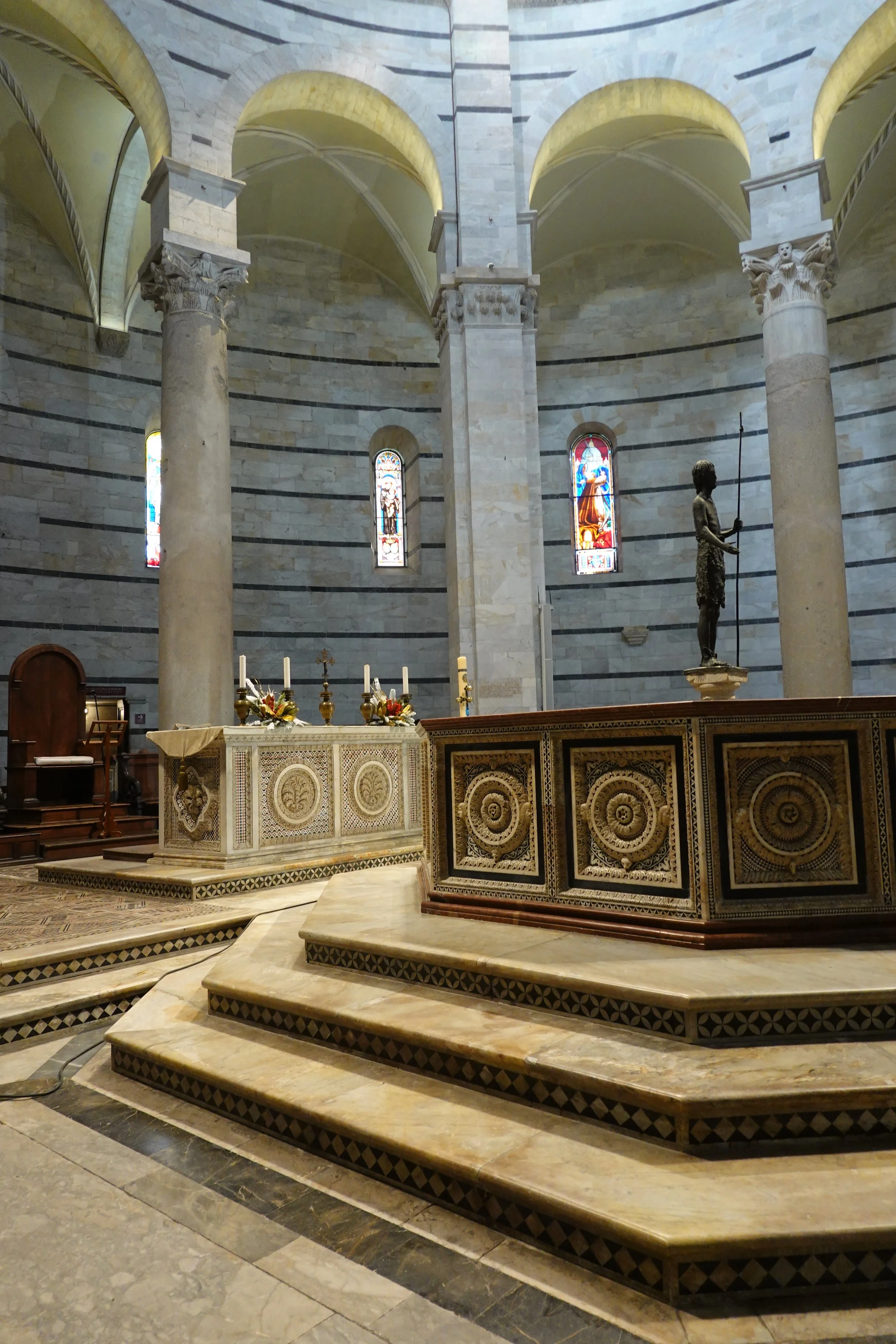
The Baptistery of San Giovanni is a beautiful domed structure located in the Piazza dei Miracoli, close to the Leaning Tower. Also constructed in the 12th century, the Baptistery was built to offer the sacrament of baptism. It is a tall building, reaching around 55 meters (180 feet) high, and is the largest baptistry in Italy.
A tour of the interior reveals a beautiful and simple design with a clear focus on the sacrament. Take the stairs to the top for an aerial view down into the baptistry and out at the impressive Pisa Cathedral.
Duomo di Santa Maria Assunta
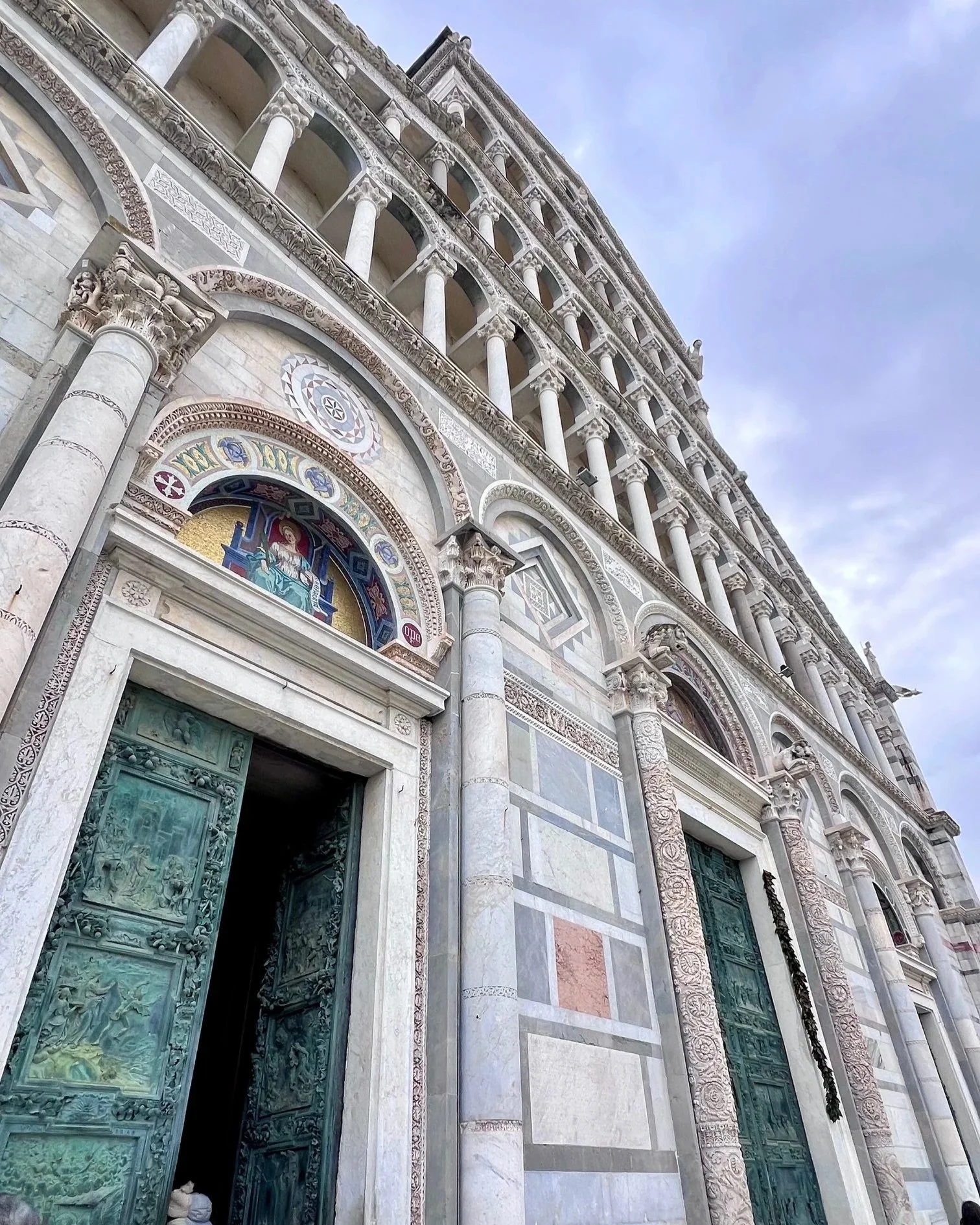
The Pisa Cathedral, known as the Cathedral of Santa Maria Assunta, was founded in the late 11th century. At the time, Pisa reached its peak in history as a wealthy maritime city. As such, the exterior of the cathedral was a display of that wealth and was constructed with influences from Arabic, Classical, Byzantine, and Lombard-Emilian styles.
The interior of the cathedral is equally breathtaking. Walk through the domed arches and marvel at the paintings adorning the walls, dating back to the 16th & 17th centuries.
One of the most famous features of the cathedral is the pulpit by Giovanni Pisano, intricately carved with scenes from the life of Christ.
Beyond Piazza dei Miracoli, you find architectural gems throughout the city. Wander the historic streets as you take in the beauty found in even the simplest buildings.
Piazza dei Cavalieri (Knight’s Square) was, at one point, the political center of Pisa and is home to the impressive Palazzo della Carovana. The exterior of this palace was designed by the renowned Giorgio Vasari and features zodiac signs and allegorical figures. Another work by Vasari and a highlight of the Piazza dei Cavalieri is Santo Stefano dei Cavalieri, a 16th-century church.
Palazzo della Carovana, Pisa
Santo Stefano dei Cavalieri, Pisa
Learn to Make Pasta with a Local
Your journey in Tuscany will not be complete without enjoying the best pasta in the world. There are numerous highly ranked restaurants in Pisa; however, consider booking a cooking class with a local host to learn how to make authentic Italian pasta.
I booked my experience through Airbnb, but they also offer it on other platforms such as Viator and GetYourGuide. You will learn a skill you can take home and enjoy a fabulous meal with equally wonderful conversation.
During my class, we made Ravioli di Brasato, Passatelli in Brodo, and Tiramisu classico. It was, by far, one of the best meals I had in Italy and one of my favorite experiences.
Walk Along the Arno River
Ponte di Mezzo, Pisa
A simple pleasure of this historic city is to wander along the picturesque Arno River. Take in the views of the pastel-colored buildings that line the banks of the river.
In warmer months, you can book a kayak tour and visit the Orto e Museo Botanico (Botanical Garden), which also sits on the river. Cross the Ponte di Mezzo for a beautiful midpoint view and a great photo spot.
Cross the Arno River for Culture & Shopping
Palazzo Pretorio & Logge dei Banchi
On the other side of the Arno River and across the Ponte di Mezzo, you find the beautiful structure of the Logge dei Banchi. The Logge dei Banchi was built in the early 17th century and today hosts markets featuring local vendors. Also in the piazza facing the river is Palazzo Pretorio. This historic building was the old city hall and now hosts the Civic Museum of Prado.
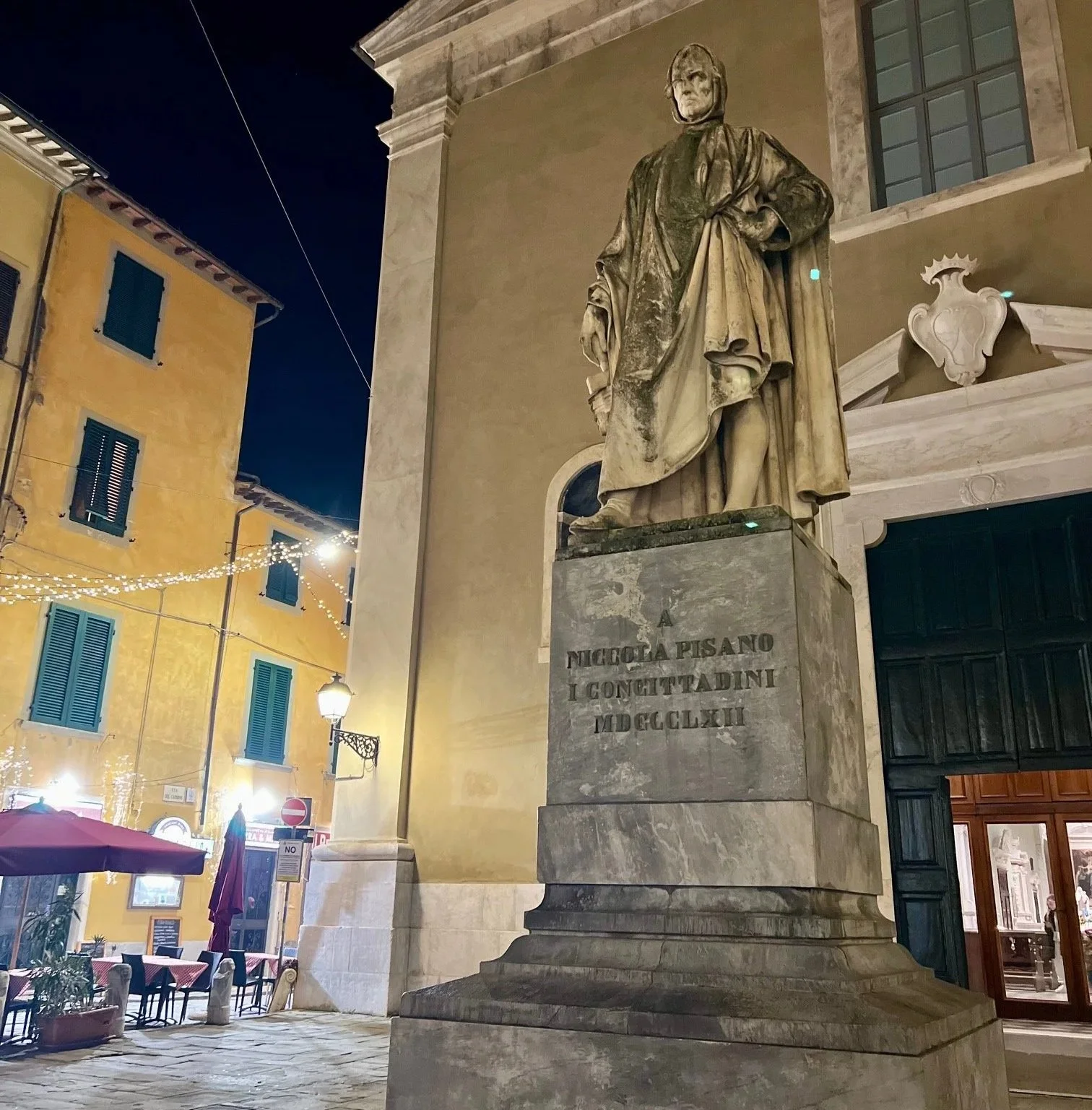
Monumento a Nicola Pisano, Corso Italia, Pisa
What (and Where) to Eat
Continue down the Corso Italia to enjoy a more cosmopolitan vibe. Here, you’ll discover excellent shopping with a variety of Italian goods, local restaurants, and plenty of gelato. To indulge in some incredible Neapolitan-style pizza, stop into La Taverna di Pulcinella.
La Taverna di Pulcinella, Pisa
For a lesser-known pizza, try the Pisan-style, which uses cecina as its dough. Cecina is a flatbread made with chickpea flour. Using cecina as the base, these pizzas are baked in a wood-fired oven and topped with traditional toppings. The result is a crunchy crust with a rich, nutty flavor. For the best Pisan-style pizzas, visit Pizzeria L'Arancio.
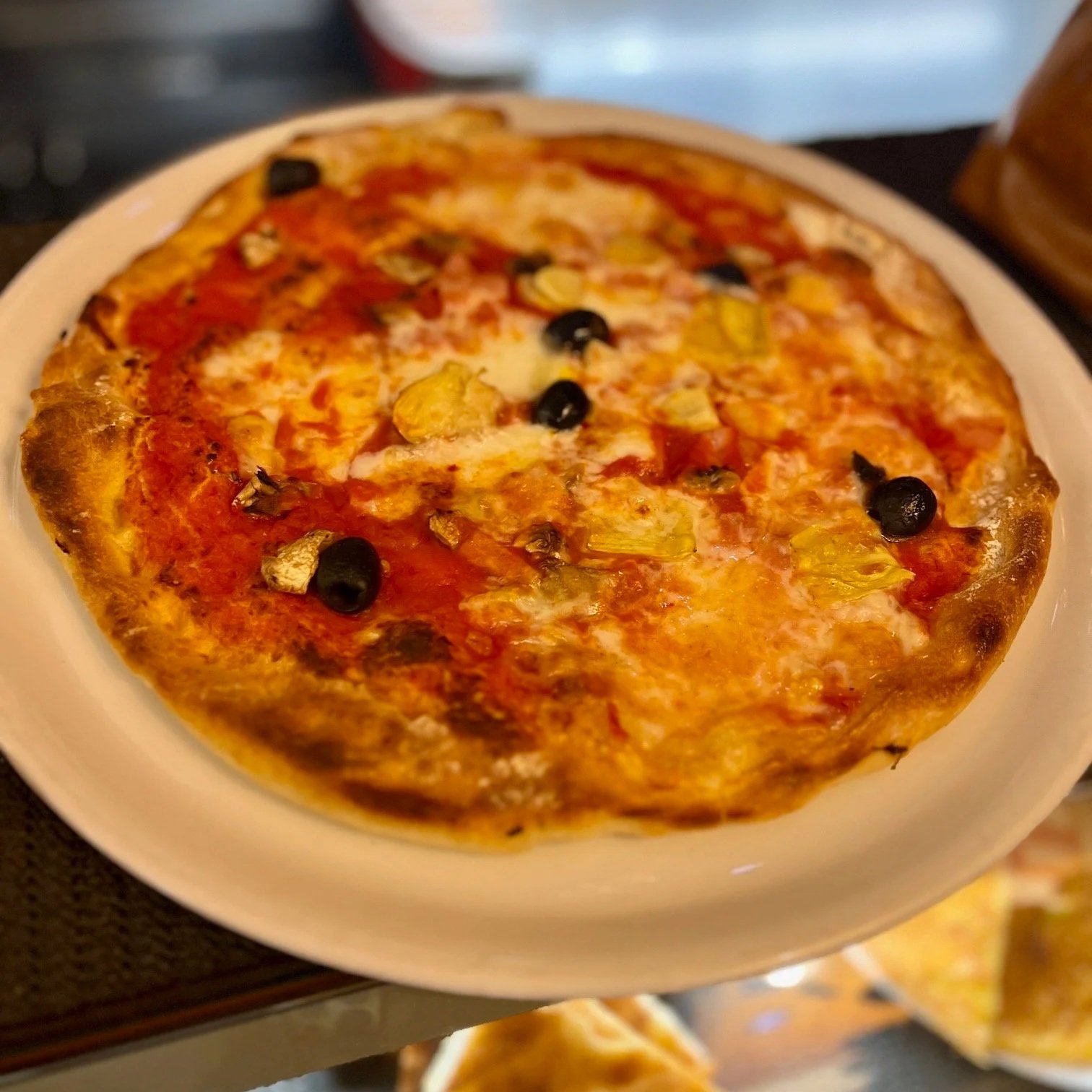
Pizzeria L'Arancio, Pisa
Since Pisa is apart of Tuscany, you’ll also find tons of restaurants serving delicious Tuscan specialties. Want to know the best foods to try in Tuscany? Read here!
Enjoy your adventure in Pisa, ciao!
Published: January 27, 2025 - Updated May 18, 2026